
Mill shutdowns, rooftop units, and backyard spas in Longview, each with a crane sized to the pick and operator included.
Crane service in Longview covers operated lifts for the marine terminals on the Columbia, the mills and chemical plants that keep this town working, the commercial roofs downtown, and the houses in between. Three calls make up most of it: rooftop unit changeouts on a commercial or industrial building, tank and equipment picks during a plant maintenance window, and structural steel set on an industrial site. Backyard hot tubs and swim spas fill in the rest of the week. Every machine ships with the gear its pick needs and an NCCCO certified operator, all inside one price, so a Longview owner hires one company instead of chasing a crane, an operator, and a rigging supplier separately.
Two things set the booking date. Any machine or truck occupying a street, alley, or sidewalk has to be permitted through the City of Longview's Public Works Engineering Division, traffic control plan attached, under Longview Municipal Code Chapter 12.30, while a site in unincorporated Cowlitz County answers to the county instead. Westmore establishes which one applies before an application goes anywhere. After that comes the window: terminal picks work around rail spurs, truck lanes, and vessel calls, and plant work happens inside a shutdown the facility fixes, not one the crane fixes. Give us tonnage, radius, and the street address, plus one picture taken from the spot a machine would occupy.
Three kinds of picks account for most of the crane calls in Longview, from a working berth to a backyard fence.
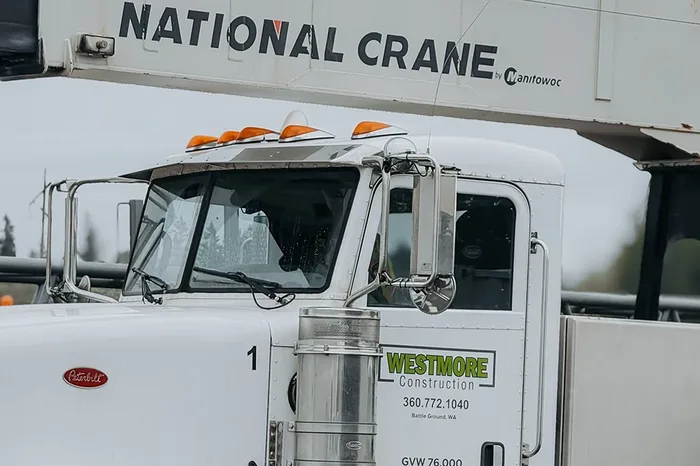
Structural steel, tanks, and process equipment rigged and landed inside terminal and plant yards, operator and riggers on one ticket.
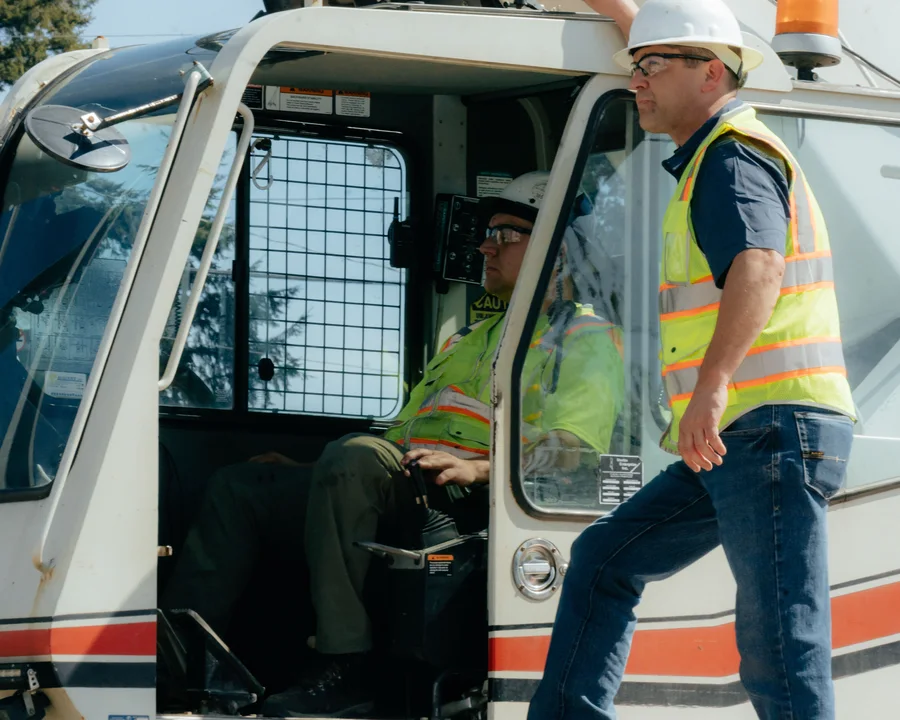
A new rooftop unit set, or a dead one pulled and replaced, on a Longview commercial or industrial roof inside a single shift.
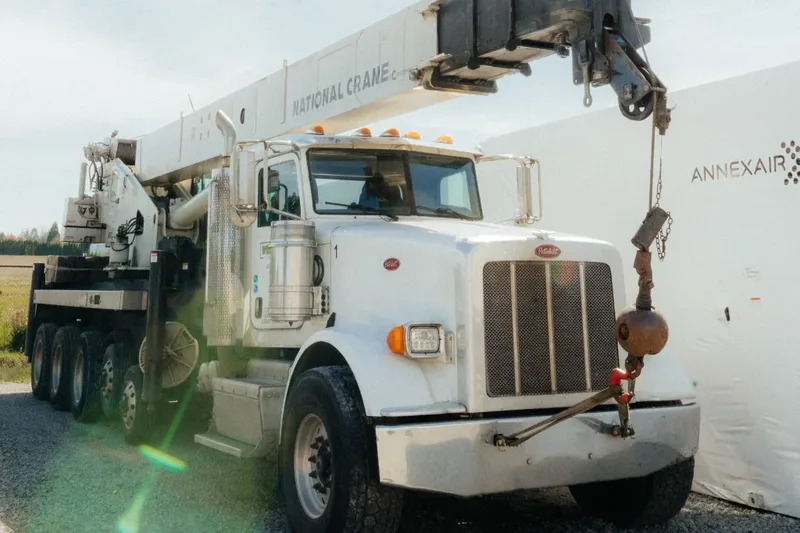
A spa, swim spa, or sauna lifted over the fence line and set down square on the pad, gate and posts left standing.
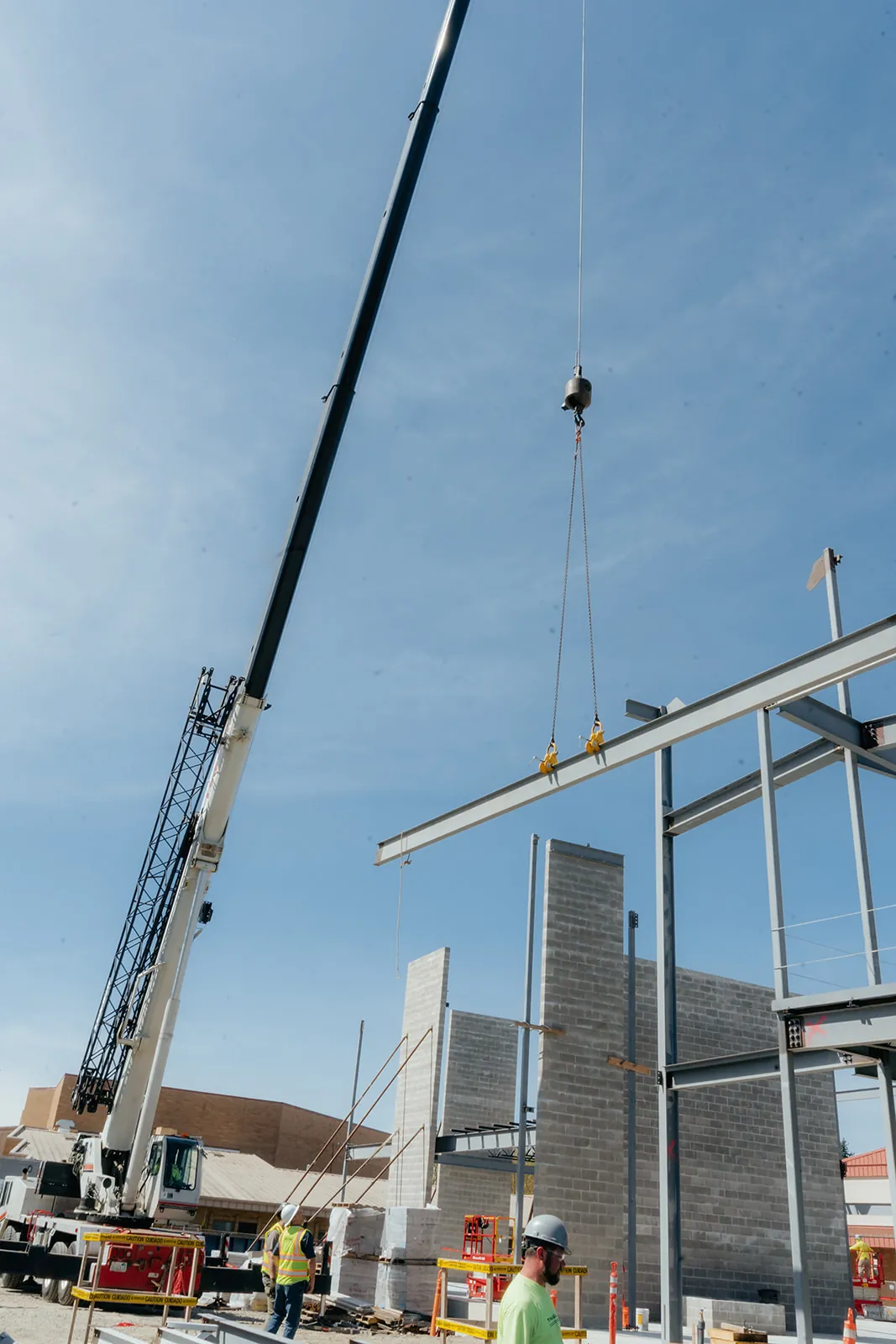
A berth pick sits on ground shared with live rail and moving truck traffic, and that is what separates a terminal lift from a lift in an open yard. Westmore walks the setup point before the date is locked, keeps the outrigger footprint clear of the spur, and works inside the window the terminal offers instead of asking a terminal to open one around a machine.
That planning is most of what a terminal or plant operator is actually buying. Give Westmore the piece weight, the pick radius, and the gate or berth the crew checks in at, and the plan that comes back names the crane class and where it will stand. Ask for it early enough that the window can still be moved if the pick needs more room than the yard gives.
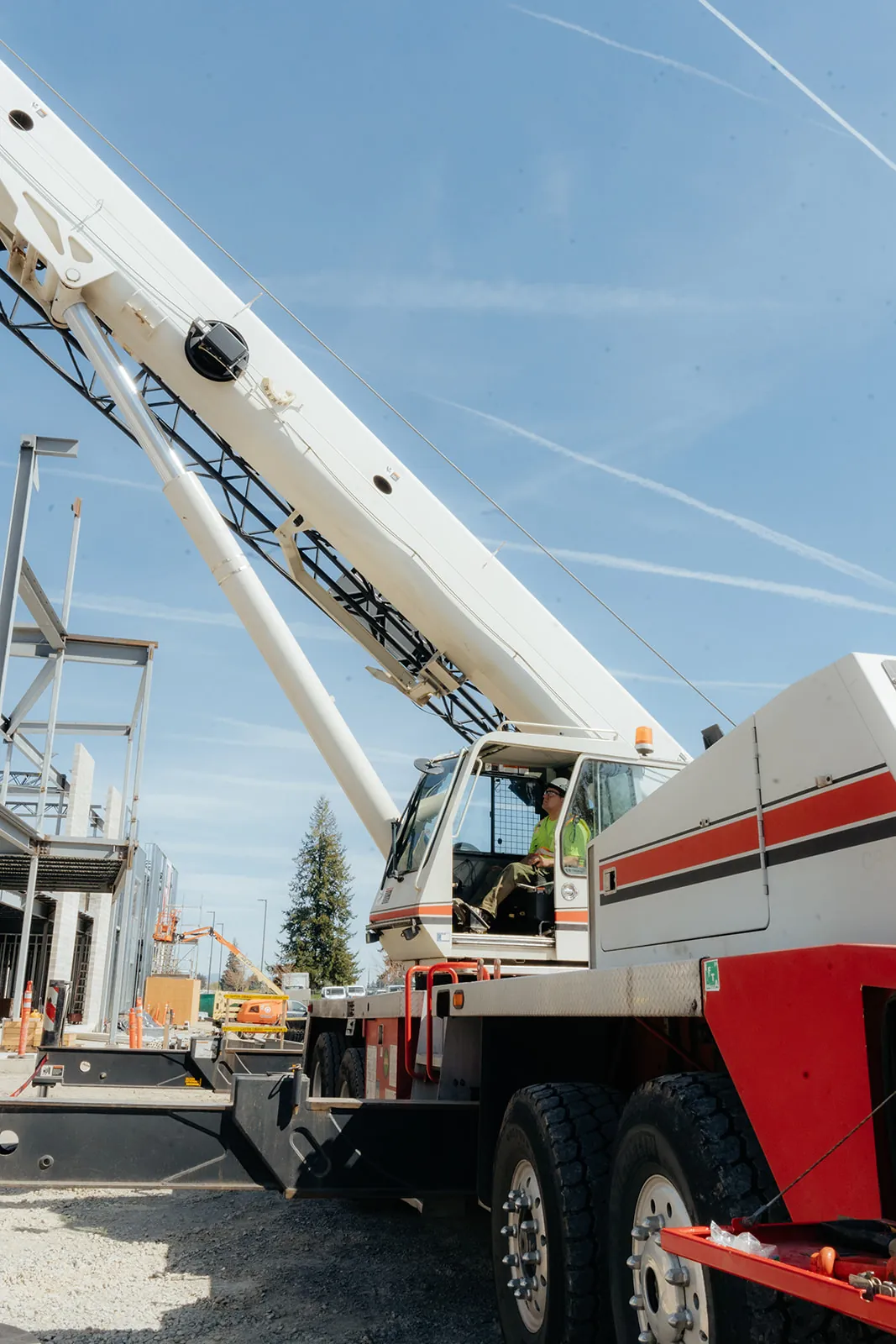
Mills and chemical plants do not call a crane once. Rooftop unit changeouts, tank and vessel picks, and structural work stack into a maintenance window the facility fixes months out, and missing it means waiting for the next turnaround. Westmore holds crew and crane class against that date instead of quoting it like a one-day job, which is why the same picks come back at the next shutdown. Bring the window as soon as the plant sets it.
Getting the machine onto the property matters as much as the pick. A crane or a counterweight load over legal width or weight is permitted to the exact approach the truck will use, and the industrial waterfront and Mint Farm each have their own gates and their own turning room, with the Mint Farm side carrying its own equipment sets and structural steel work. Name the gate the load comes through and that approach is written into the permit rather than discovered by a driver.
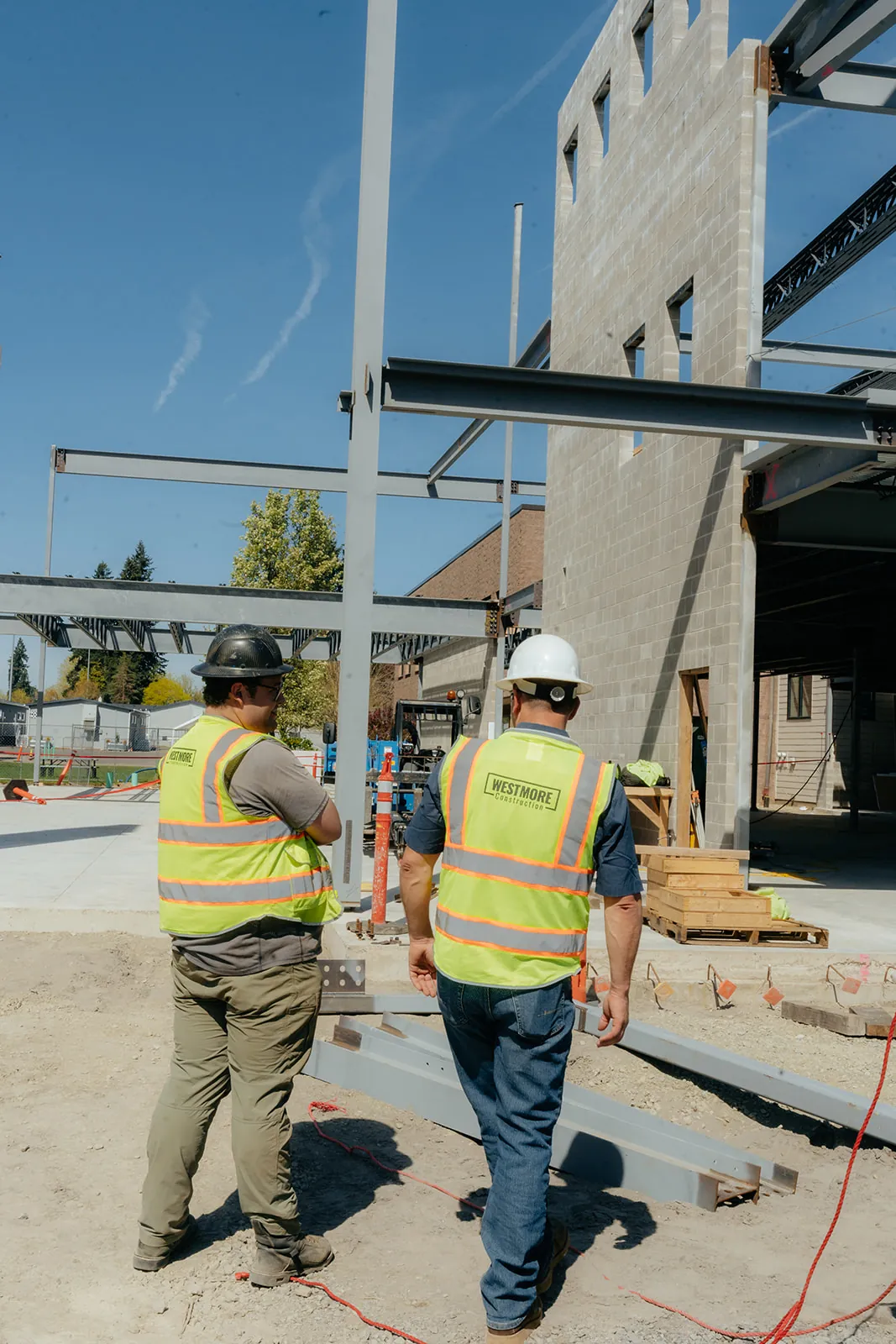
Plenty of Longview jobs need a crane only because something is being built. A warehouse, a plant addition, or a shop on port-leased ground or at Mint Farm needs commercial general contracting months before it needs a machine for an equipment set, and Westmore runs both sides. An owner can hand over the entire project or hand over only the picks, and the answer to who is responsible for the lift stays the same either way.
The same holds on the steel itself. Steel building and pre-engineered metal building construction comes from the crew that owns the machines, which turns two calendars into one and removes the argument about who is holding up whom. Hand over the drawings, or just a footprint and an intended use, and the reply names the frame date.
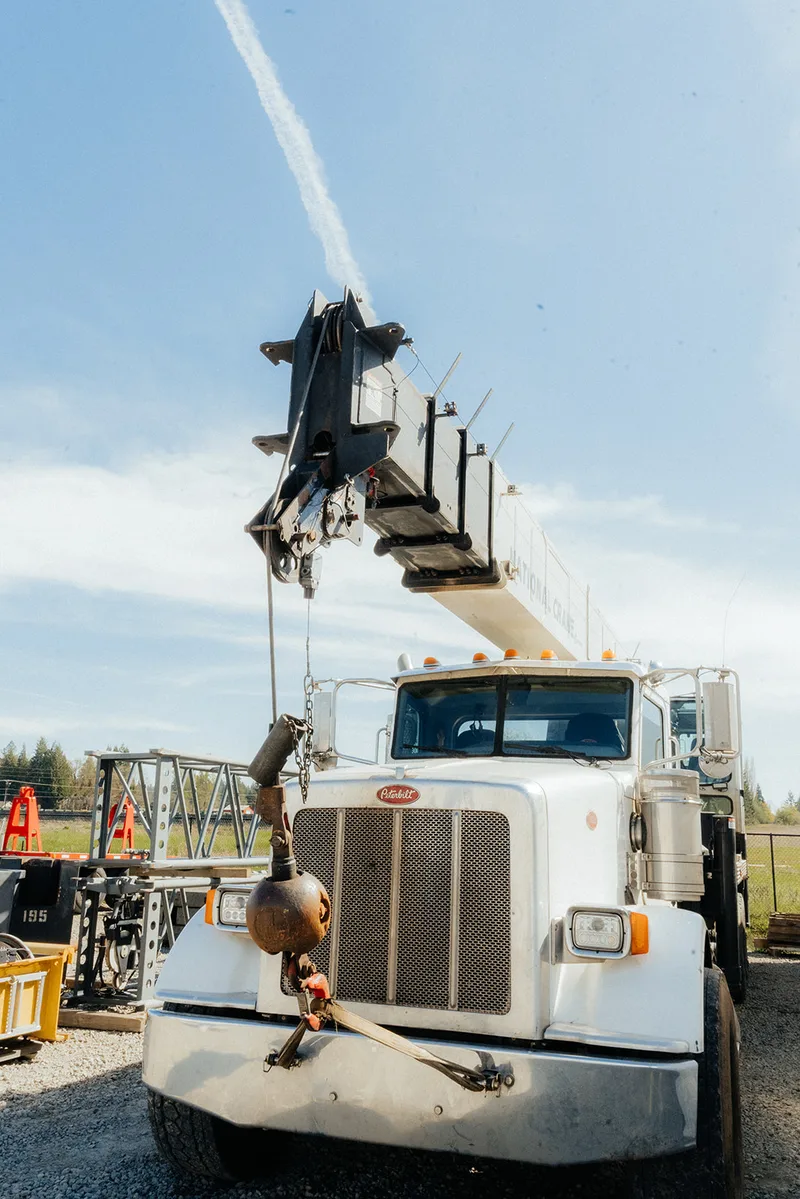
Three tonnage classes cover Port of Longview terminal picks, mill equipment sets, and backyard hot tub lifts.
The right size for HVAC units, hot tubs and spas, beams, and tight residential or commercial sites where a bigger crane cannot set up.
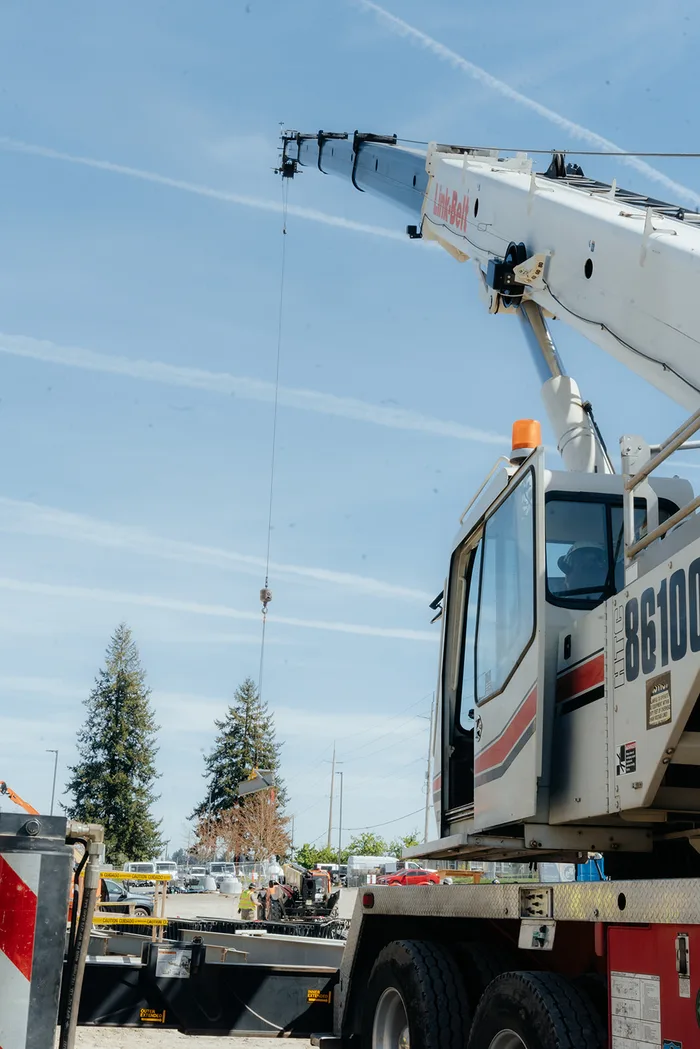
The workhorse for steel erection, precast and tilt panels, transformers, vaults, and rooftop equipment on commercial jobs.
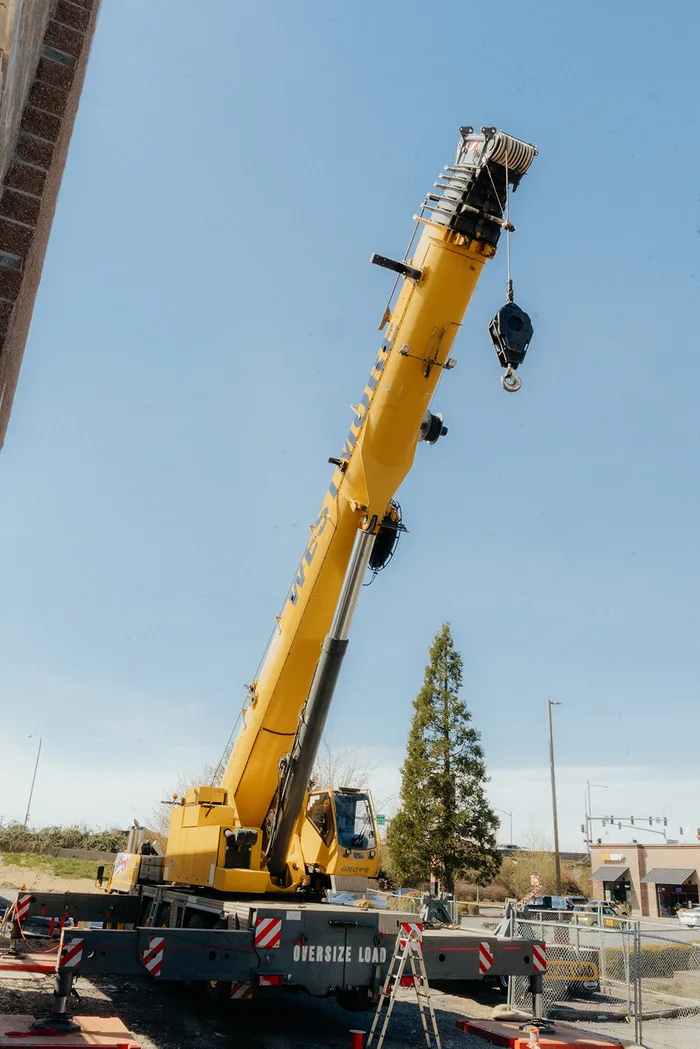
Heavy and long-reach picks: generators, large mechanical equipment, and lifts that have to clear a building from the street.
Call with the load weight, the address, and the date you have in mind, or send the basics below and we call back within 24 hours.
"Think Seal Team 6 of Crane Work! Westmore was able to scramble, rearrange their schedule and drive a Crane 15 hours across the state to get us out of a jam on Generator set for Walmart, highly recommend these Professionals"
Google review
"Westmore construction built my all steel carport to spec, and in a very short period of time. The whole process was easy to begin, required no intermediate interventions and the final result was top quality. I later had them make a modification and they did that with great expediency. I will always use them for my steel outdoor projects and highly recommend them."
Google review
"We use Westmore Construction for all our crane needs. They are always responsive, on-time & professional. They're fast and efficient when they show up with no down time. They have multiple sized cranes and can pretty much do anything you need. We have also worked with them on the general contracting side and have no complaints. We will continue to work together."
Google review
A crane lift that stays entirely inside the property lines in Longview needs no city street permit. Once the machine, a delivery truck, or an outrigger pad sits on a street, an alley, a sidewalk, or a parking space, the City of Longview Public Works Engineering Division issues the street use approval, and a traffic control plan goes with it under Longview Municipal Code Chapter 12.30. Westmore measures the setup footprint against the property line first.
Yes. Every Westmore crane arrives with an NCCCO certified operator aboard and the rigging the pick calls for, and all of it travels with the crane. Bare equipment without an operator is not something Westmore rents. The practical effect on a Longview job is that one company carries the machine, the crew, and the gear, so nothing waits on a rigging supplier the morning of the lift.
The setback from the building decides it more than the unit weight does. Rated capacity falls off as the radius grows, so a machine working from well back of the roof edge needs more capacity than the same unit picked from beside the building. A lot with room next to the building keeps the class down, and a machine stuck out at the curb moves it up. Capacity choices run 55 tons, 100 tons, and 350 tons.
Yes, once the bearing under the outriggers is verified and matted where it needs to be. Low riverfront ground in Longview can hold water well into a wet stretch, and recent excavation or backfill changes what a pad will carry. Westmore checks the setup spot ahead of the booking and brings cribbing or mats sized to the load. Photos of the standing area, plus any note about fill or trenching done recently, settle most of it on paper.
The day the facility fixes its window, which is usually months ahead. Those dates belong to the plant, not to the crane, so the machine, the operator, and any permit get committed inside that window. A rooftop changeout or a backyard spa needs far less lead time, since no facility window controls it. Send the window and the piece weights as soon as both exist.
Rain by itself does not stop a lift. Wind does, because a load hanging on a long boom becomes a sail, and every crane has a wind speed limit tied to the chart it is working. Lightning stops work outright. On an open riverfront or mill yard there is more wind than on a sheltered street, so the operator checks conditions the morning of the pick and calls it from the site rather than from a forecast.
Four things: the class of machine the weight and radius force, how long the crane is tied up on the job, the rigging the pick needs, and any street permit and traffic control plan the setup triggers. Inside a plant fence the facility window can hold the crane far longer than the pick itself takes. Send the load weight, the radius, and pictures of where the machine would stand.
Give us the piece weight, the reach, and the gate or address the crew should report to. The class of machine and the permit path come back before a number does.
Battle Ground, WA
Fields marked * are required.
We call back within 24 hours. Prefer to talk? (360) 772-1040