
·
Preparing for a crane lift means clearing the path, checking overhead lines and ground, and having someone on site who knows the property.
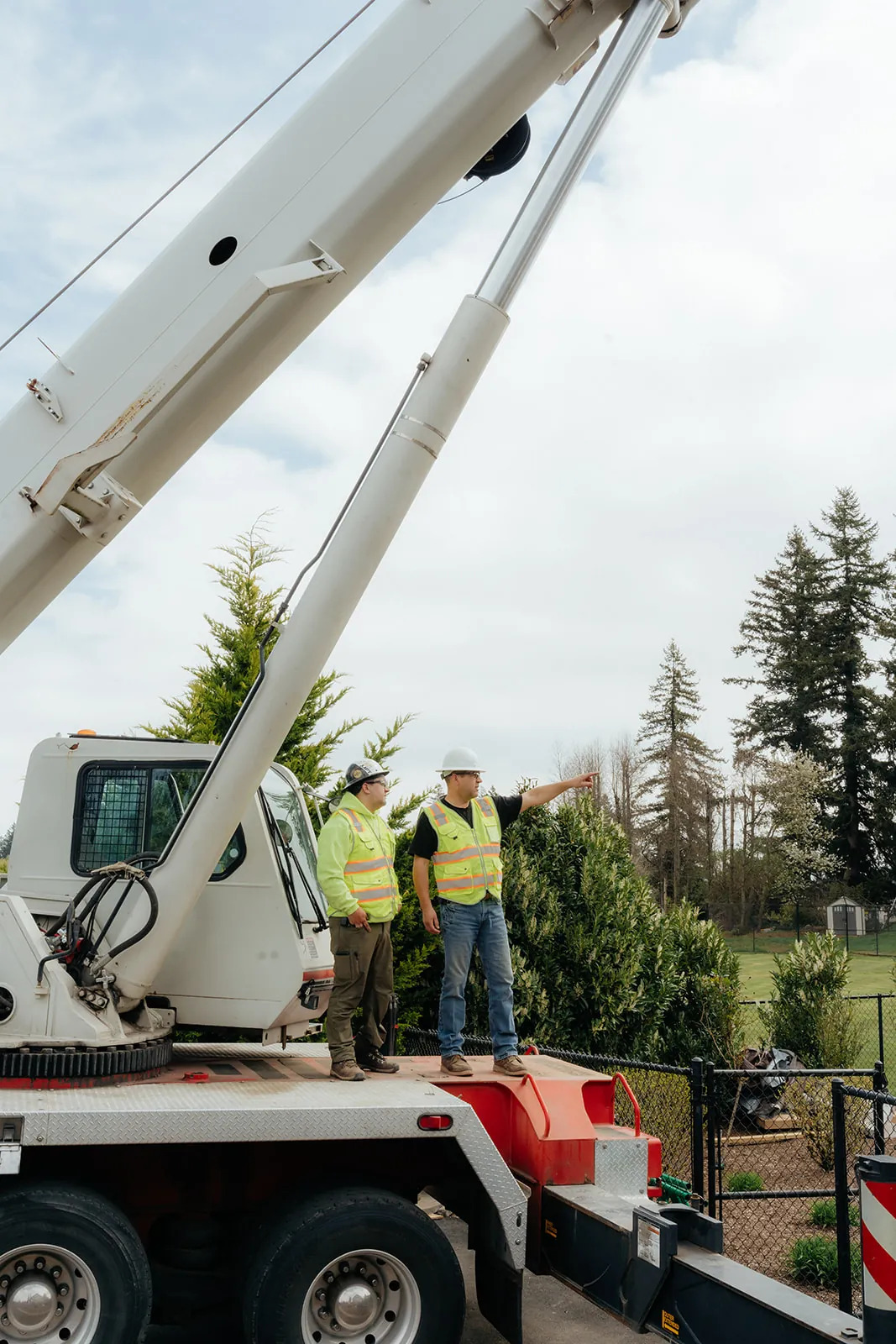
Preparing a site for a crane lift comes down to three things: clearing the path the crane and the load will travel, checking overhead lines and ground conditions, and having someone on site who can answer questions about the property. Westmore reviews site photos and a few basic details before the crane is ever scheduled, so most of what would change the plan gets caught before lift day instead of on it. The same preparation list applies across the fleet's full range, 55 to 350 tons, whether the crane is setting a hot tub in a backyard or a rooftop unit on a commercial building.
Booking a crane lift starts with the load itself: its rough weight and dimensions, the site address, and a few photos of the yard, the driveway, or the jobsite. Those photos do more work than a phone description, because they show the path the crane's boom will travel and the ground its outriggers will need before anyone shows up to look in person.
| Send This | Why It Matters |
|---|---|
| Load's rough weight and dimensions | Sizes the crane class before the crew arrives |
| Site address and a few photos | Shows the path and the ground the outriggers will need |
| Photos of the gate, fence, or roof access | Flags anything narrow or high before lift day |
| Overhead obstacles in the photos | Lets the crew plan around lines, trees, or low eaves |
A homeowner sending a hot tub or spa lift adds photos of the gate or fence line the load has to clear. A commercial general contractor sending a rooftop unit lift adds the unit's spec sheet, the roof height, and where the crane can realistically set up on the lot. Either way, those photos and details let Westmore match a crane class to the job before quoting it, rather than guessing over the phone.
Clearing the path means opening a straight run for the crane's boom between where it sets up and where the load needs to land, with nothing in the way that would catch a swinging rig. Parked cars, trailers, patio furniture, and anything stored along a fence line all need to move before lift day, not on it.
The setup area itself needs the same attention. Wherever the crane's outriggers extend, that ground has to be open enough to receive them, whether that spot is a driveway, a side yard, or the street out front. Westmore reviews the site photos ahead of time and flags anything that would change where the crane actually sets up.
Overhead lines and trees matter because the boom travels above the load, not just beside it, and anything hanging over that path changes how the pick gets planned. Power lines, tall trees, and low roof eaves along the route from the street to the pad are exactly what Westmore looks for in the photos sent ahead of the lift.
A branch that would need trimming, or a line that runs closer to the path than it first appears, is easier to deal with before the crane arrives than during the pick itself. Flagging it in the site photos, rather than mentioning it once the crew is already set up, keeps the plan accurate from the start.
Yes. A narrow side yard gate or a shared driveway changes where the crane can set up more than the distance from the street to the pad does, since the crane needs room in that spot to park and extend its outriggers, not just enough room to drive through.
That is why Westmore reviews gate width and driveway access in the photos before the lift date is set. A tight gate does not rule out a lift; it usually just moves the crane's setup position, or changes which crane class fits, once the access is measured against the load.
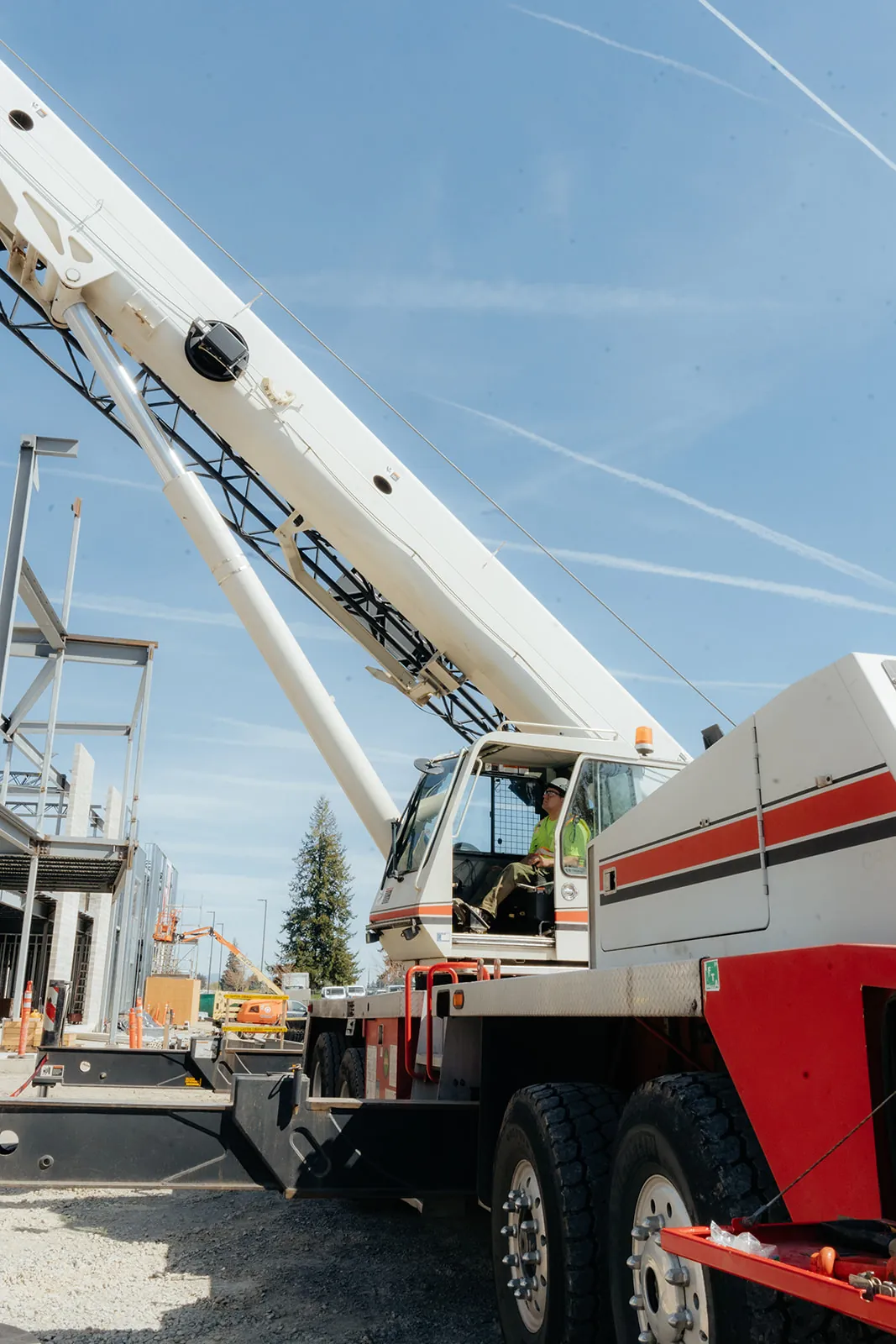
Ground conditions matter because the crane's outriggers, not its wheels, carry the load once it is set up, and soft soil, a sloped yard, or a driveway never poured to hold that kind of setup can shift the plan on its own, separate from anything about the load itself.
Where the ground alone cannot carry the setup, mats spread the load out first, or the crane's position gets adjusted to firmer ground nearby. Westmore checks ground conditions from the site photos and confirms them again once the crew arrives, since either one can change where the crane actually lands.
It helps to have someone who can open the gate, point out the pad, and answer a question about the property reachable on lift day, even if nobody stands at the crane the whole time. A rooftop job for a commercial general contractor usually needs that contractor's mechanical crew on site too, since the old unit typically comes off and the new one gets hooked up on the same visit.
Everything past that is the crew's side of the job. An NCCCO certified operator runs the crane, a rigger sets and checks the load, and Westmore files as the contractor of record for any street use or oversize transport permit the lift needs, not the property owner. The property just has to be ready and accessible; the crane, the operator, the rigging, and the paperwork travel together as one job.
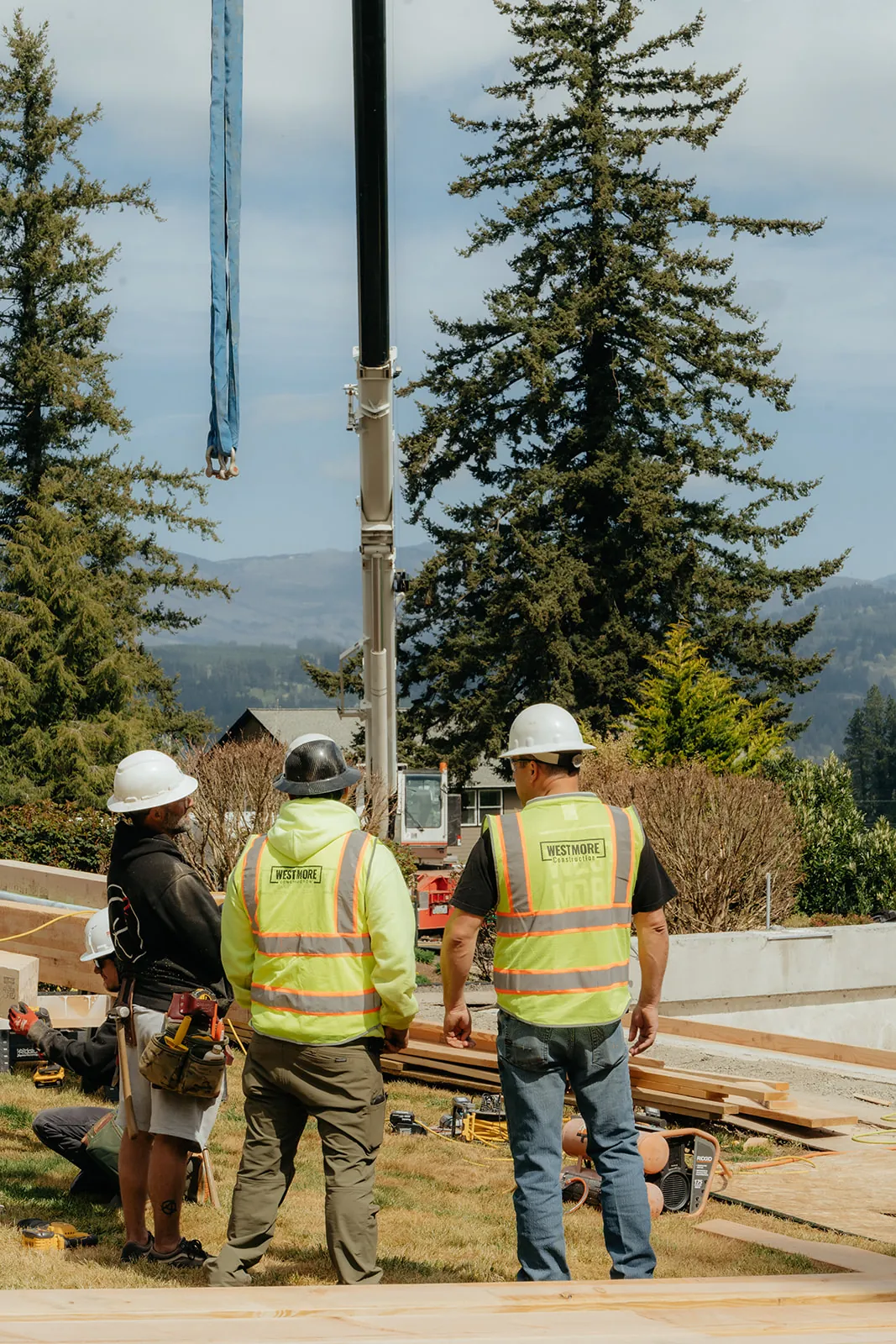
Yes, wind and site conditions can move a lift date even after the crane class and any permits are already settled, since the work happens outdoors regardless of the load. The forecast gets another look as the date is confirmed, which is one more reason the crew wants site details early rather than the week of the lift.
A shift in the schedule is easier to absorb when the crane, the operator, and any permits were already lined up ahead of time. That is the same reason the preparation list above starts well before the date gets picked, not after.
More than the machine needs to drive in. The outriggers have to extend fully onto firm ground, and that footprint is what a tight site has to accommodate, not the width of the machine itself. Heavier classes take a wider footprint, so a narrow shared driveway or a cramped side yard often points toward a smaller one. Send photos of the setup area before the date.
Yes, and before lift day rather than on it. Parked cars, trailers, patio furniture, and anything stored along a fence line sit in the path the boom and the load will travel. The setup area needs the same attention, since wherever the outriggers extend has to be open, whether that is a driveway, a side yard, or the street out front.
The pick gets planned around them, so include them in the photos sent ahead. The boom travels above the load, not only beside it, which means power lines, tall trees, and low roof eaves along the route all change the plan. A branch needing a trim or a line running closer than it looks is far easier to handle before the machine arrives.
Not usually, it changes the setup instead. The outriggers, not the wheels, carry everything once the machine is rigged, so loose soil, a grade, or a slab that was never built for that pressure has to be dealt with. Mats spread the weight where the ground cannot take it, or the crane relocates to firmer footing nearby. Standard practice is to check the ground again before the pads go down.
Wind can, and so can site conditions. Wind speed limits tighten as a load gets bigger and catches more air, so a spa shell reaches the limit well before a compact piece of the same weight does. The operator makes that call once the crane is on site. Moving a date is easier than running a pick in conditions that make a site unsafe.
Send the load's rough weight, a few photos of the site, and the date you need, and Westmore checks access, ground, and permits before the crane is scheduled.