
·
A steel building lasts as long as its engineering, coatings, weather sealing, and erection quality hold up, which is decades with basic upkeep.
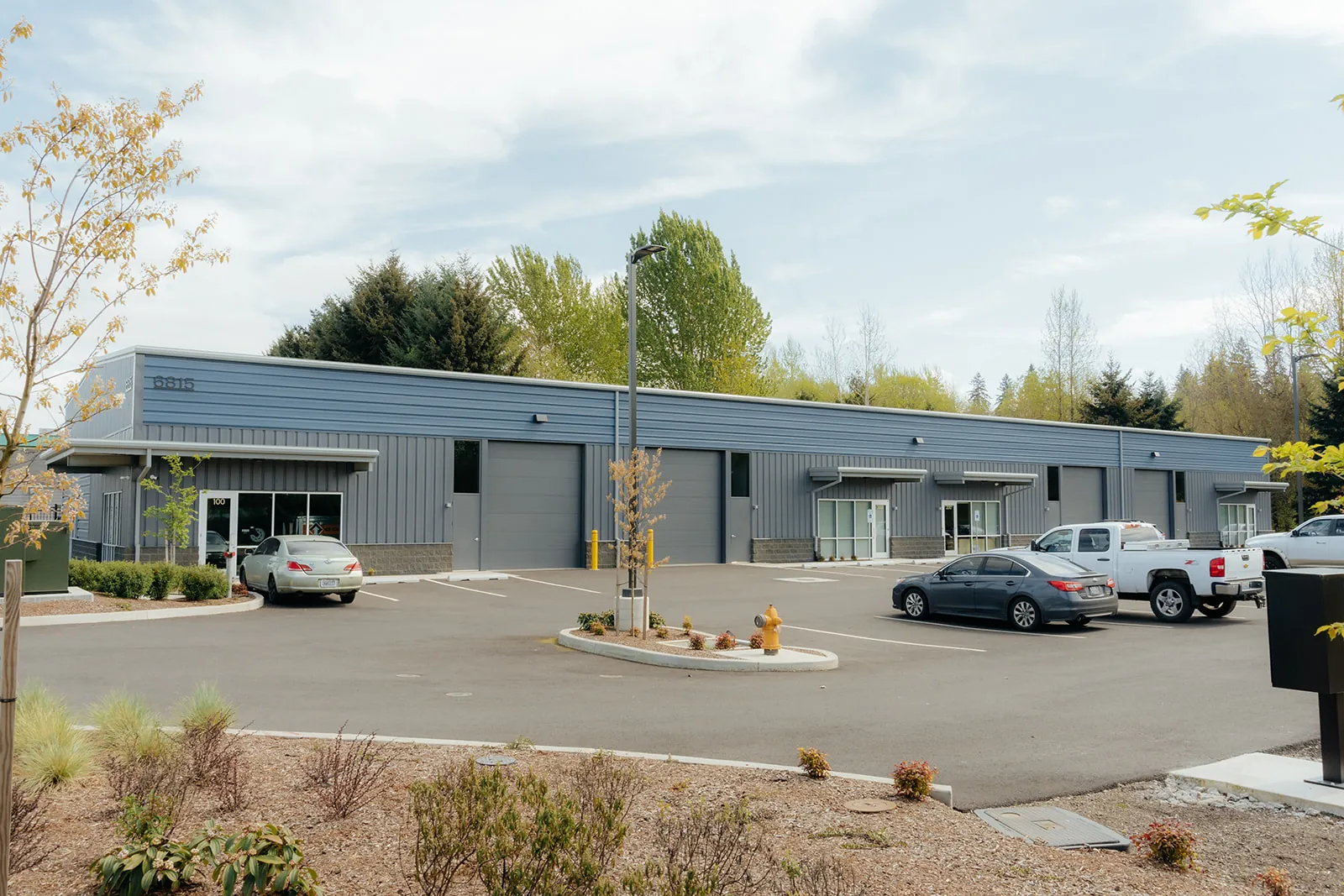
How long a steel building lasts is decided by how well several things line up over time, not by the frame material on its own: the manufacturer's engineering, the coatings and panel finish, how tightly the exterior closes out water, the upkeep the fasteners and sealant get, the drainage at the foundation, and the quality of the erection itself. Westmore Construction erects and finishes commercial steel buildings across Washington and Oregon, working from the manufacturer's engineered drawings rather than a standard framing package.
How long a steel building lasts comes down to several things working together rather than one factor on its own: the engineered frame, the coatings and finish protecting the steel and panels, how tightly the exterior closes out water, the upkeep the fasteners and sealant get, the drainage around the foundation, and the quality of the erection itself. A frame that is strong on paper can still underperform if the erection or the site drainage works against it.
Westmore's steel division sits on one side of that equation. As the erector and finisher, not the manufacturer, the company sets the frame plumb and square and closes it in with exterior finishing, while the manufacturer engineers the steel package to the site's loads before it ever ships. Everything below follows from that split of responsibility.
The engineered frame sets the baseline for how long a steel building holds up, because the manufacturer sizes every column, beam, purlin, and girt to the loads that specific site and roof are expected to carry. A frame engineered to the wrong loads, wind, snow, or a change in use down the road, is a structural problem no amount of later maintenance can fix.
Westmore does not design that package. The company erects it, checking the foundation and anchor bolt layout against the manufacturer's drawings before the first column goes up, since those drawings are what the whole structure gets measured against for as long as it stands.
Coatings and panel finish matter because they are the layer standing between bare steel and the weather it sits in, and once that layer is compromised, the steel underneath is exposed in a way the frame's engineering was never meant to handle on its own. A coated frame and a finished wall and roof panel are what actually take the sun, rain, and temperature swings day after day.
Westmore installs the panels the manufacturer ships already coated and finished. The finish itself is a product decision made with the manufacturer at the ordering stage, not something the erection crew adds once the frame is up.
Exterior closure decides whether water actually reaches the frame, because flashing, trim, and roof drainage carry rain off the building instead of into it at the seams and penetrations where panels meet. A roof and wall system that sheds water cleanly at every joint protects the steel underneath more than the coating does on its own.
This is the part of the job Westmore's steel division finishes on site: siding, roofing, trim, and the doors and glazing that close the shell out, so the same crew that erected the frame is also the one making sure the water has somewhere to go besides inside the building.
Fasteners and the sealant at panel seams and roof penetrations are the parts of a steel building's exterior most likely to need attention over the years it stands, because they are smaller, more numerous, and exposed to the same weather as the panels around them without the same mass to absorb it. A loose fastener or a failed bead of sealant at a single seam can let water in long before anything looks wrong with the panel itself.
Checking those points periodically, rather than waiting for a leak to show up inside the building, is what keeps a small failure at the surface from turning into a frame-level problem.
Foundation and site drainage affect a steel building's lifespan from below rather than above, because standing water against the base of the building, or a site that does not grade away from the structure, puts moisture where the frame's coatings were never designed to face it. Foundation work has to match the manufacturer's anchor bolt layout before erection starts, and getting that plan right protects the frame's connection to the ground for as long as the building stands.
A pad and a grading plan that keeps water moving away from the building, rather than pooling at its edges, does as much for the structure's long-term condition as anything above the foundation line.
Erection quality matters because a frame that goes up out of plumb or square carries stress the manufacturer never engineered it to hold, and that stress does not go away once the building is closed in, it just becomes harder to see. Every bay has to check plumb and square before the connections are torqued to final bolt-up, and an anchor bolt pattern that lands even a couple inches off the drawings can throw the whole sequence off before panels ever go on.
Westmore's crews check that alignment against the manufacturer's drawings at each stage of the erection, not after the fact, because a frame that goes up right the first time is the one condition every other factor on this list depends on.
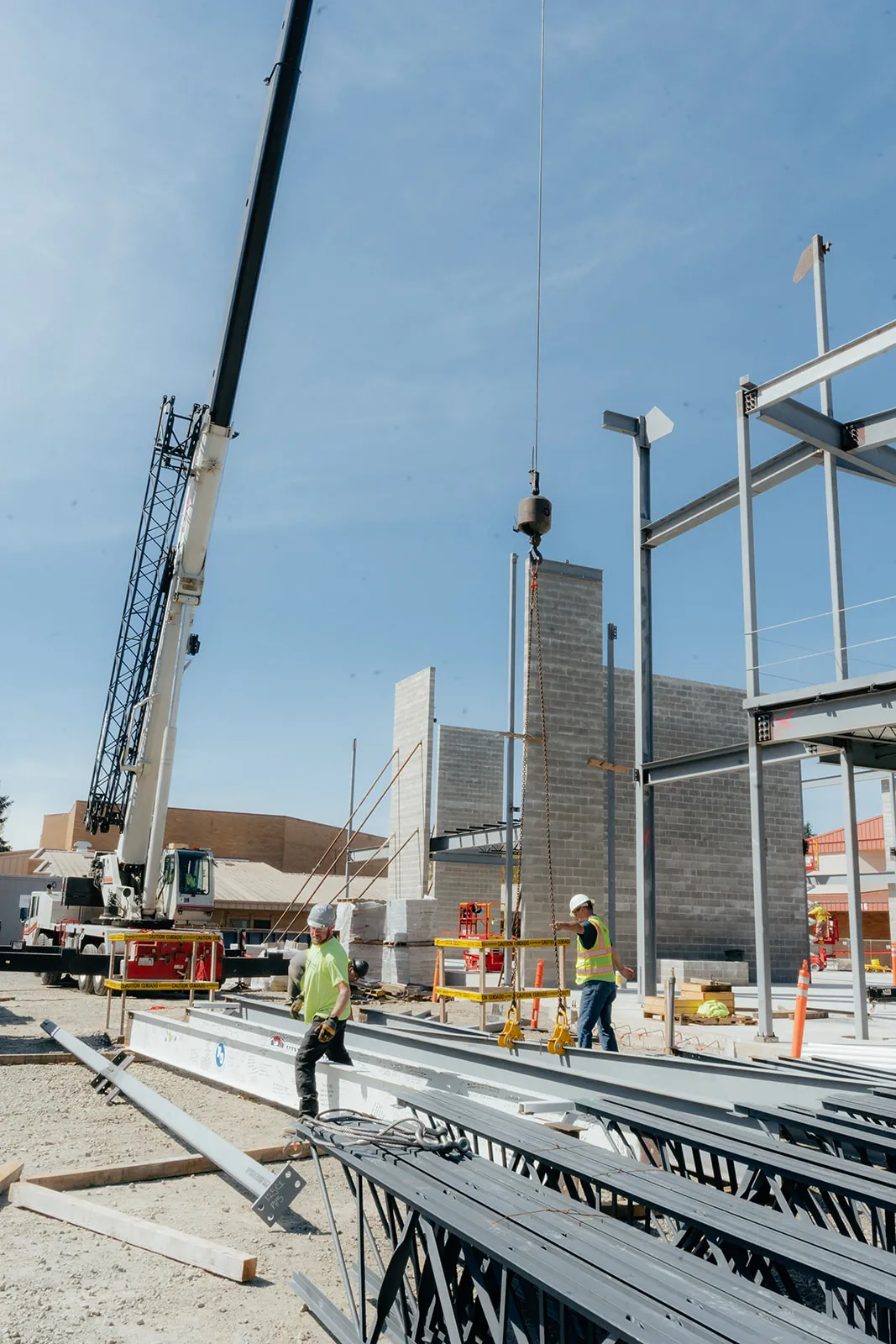
The manufacturer that engineers and ships a steel building is the one who warranties that product, the frame, the panels, and the coatings on both, since it is the company controlling how the steel is made and finished before it ever reaches a jobsite. Westmore is the licensed contractor that erects and finishes that package, not the manufacturer, so accountability on the erection and finishing side works differently.
Westmore self-performs its own erection with its own crews and NCCCO certified operators rather than subcontracting the frame work, licensed in Washington under WESTMCL836OJ and in Oregon under CCB 234945. The same company responsible for setting the frame plumb and closing in the shell is the one a client calls with a question about how either job was done.
Two companies stand behind two different parts of the same building: the manufacturer behind the steel it shipped, Westmore behind the erection and finishing it carried out. Knowing which one to call starts with knowing which part of the building the question is actually about.
Decades, when the exterior and the drainage are maintained. The frame itself does not rot, warp, or attract pests, so the life of the building is set by the coatings on the panels, the flashing and sealant at the seams, and whether water is kept moving away from the base. A building whose roof drainage works and whose fasteners get checked outlasts one where either is neglected.
Not because of the frame type. Both are engineered to the loads of the specific site, and a pre-engineered system with the right frame, coating, and exterior closure holds up as well as a structural steel building given equal care. What the frame type actually decides is how a building gets shaped, fabricated, and put up, not how many years it stands afterward.
Only where the coating or the closure has failed first. Panels and frame arrive coated, and that layer is what stands between the steel and the weather it sits in. Water reaching bare metal usually points to a compromised seam, a fastener backing out, or drainage pooling at the base of the building rather than a defect in the material itself.
Erection stops until it is corrected, because a pattern even a couple of inches off throws the sequence before panels ever go on. A bolt layout that misses the plan set has to be found and fixed before the first column is set, not after. A frame raised out of plumb carries stress the engineering never accounted for, and closing it in only hides that.
Yes, from below rather than above. Water standing against the base of a building, or a lot that does not grade away from it, puts moisture where the frame coatings were never meant to work. Grading that keeps water moving off the pad does as much for the structure as anything above the foundation line, and it gets reviewed before erection starts.
Send the manufacturer's plans and the site address, and Westmore quotes the erection, the exterior finishing, or the full commercial general contracting scope from the actual drawings.